
Harnessing the Healing Power of Tea: A Natural Remedy for Lowering Blood Pressure
Introduction
In a world often reliant on medications and interventions, it's refreshing to discover the soothing embrace of something as simple and timeless as a cup of tea. Beyond its warmth and comforting aroma, tea holds a myriad of health benefits, one of which is its potential to lower blood pressure naturally. In this article, we'll explore how tea accomplishes this feat, the recommended daily intake, the best teas and herbs for managing blood pressure, and crucial cautions regarding potential interactions with prescribed medications.
Understanding How Tea Lowers Blood Pressure
Tea's ability to lower blood pressure lies in its rich array of bioactive compounds, particularly flavonoids and polyphenols. These antioxidants work wonders within the body, aiding in the relaxation of blood vessels, thereby reducing blood pressure. Additionally, certain teas possess properties that inhibit the angiotensin-converting enzyme (ACE), which is responsible for constricting blood vessels, further contributing to hypertension.
Recommended Daily Intake
While tea offers numerous health benefits, moderation is key. The American Heart Association recommends consuming no more than 3-4 cups of tea per day, each cup being around 8 ounces. Excessive consumption can lead to unwanted side effects, such as insomnia, increased heart rate, and digestive issues. Therefore, it's vital to enjoy tea in moderation to reap its blood pressure-lowering benefits safely.
Best Teas and Herbs for Blood Pressure
Green Tea: Renowned for its high concentration of catechins, green tea stands out as a potent ally in the fight against hypertension. Studies have shown that regular consumption of green tea can lead to modest reductions in blood pressure levels.
Hibiscus Tea: Bursting with vibrant color and flavor, hibiscus tea has garnered attention for its impressive ability to lower blood pressure. Rich in anthocyanins and polyphenols, this tart brew has been shown to significantly reduce both systolic and diastolic blood pressure.
Oolong Tea: Positioned between green and black tea in terms of oxidation, oolong tea boasts a delicate balance of beneficial compounds. Its consumption has been linked to improvements in blood pressure levels, making it a favorable choice for those seeking natural remedies for hypertension.
Cinnamon: While not a traditional tea, cinnamon can be brewed into a fragrant and flavorful infusion. Its potent anti-inflammatory properties contribute to improved blood circulation and may help regulate blood pressure when consumed regularly.
Pu-erh, Blood Pressure, and the Delightful Mystery of "Tea Drunk"
Pu-erh is unlike any other tea — it's aged, fermented, earthy, and deeply complex, and it has a devoted following of people who swear it produces something the tea world calls being "tea drunk" (cha zui in Chinese). Tea drunkenness is a complex set of physical and mental sensations caused by consuming tea high in caffeine and L-theanine — the positive side of which includes calm alertness, body warmth, mental clarity, and a giddy euphoria.
The effect is thought to be especially pronounced because of its unique fermentation process, which transforms its polyphenol profile in ways other teas simply don't match. And here's where it gets interesting from a cardiovascular standpoint: research published in Frontiers in Pharmacology found that pu-erh aqueous extract directly vasodilated arteries — relaxing blood vessel walls in a way that could help reduce blood pressure — and identified two main active components responsible: theabrownins (the dark polymeric compounds unique to pu-erh's fermentation process) and caffeine.
The mechanism is particularly notable because this vasodilation occurs in an endothelium-independent manner, meaning it works directly on the vascular smooth muscle by reducing calcium influx into the cells — essentially telling the blood vessel walls to let go and relax.
It's a physiological explanation for something pu-erh drinkers have described intuitively for centuries: that warm, settling, unhurried feeling that washes over you after a few cups. The research is still developing, and pu-erh isn't a substitute for blood pressure management under medical supervision — but as teas go, it might just be the most interesting one to sip slowly on a quiet afternoon.
Cautions Regarding Interactions with Medications
Despite its myriad health benefits, tea, like any herbal remedy, can interact with certain medications. For instance, green tea contains vitamin K, which can interfere with blood thinners such as warfarin. Additionally, herbal teas like hibiscus may potentiate the effects of certain medications, leading to adverse reactions. It's crucial for individuals on prescribed medications to consult with their healthcare provider before incorporating tea into their daily routine to avoid any potential interactions.
In Conclusion
Tea serves as a delightful and effective means of managing blood pressure naturally. With its diverse range of flavors and health-promoting properties, incorporating tea into your daily regimen can lead to tangible improvements in cardiovascular health. However, it's essential to exercise caution, adhere to recommended intake guidelines, and consult with a healthcare professional to ensure tea complements your overall wellness journey safely. So, brew yourself a cup of your favorite tea today and savor both its taste and its healing embrace.
Below we have shared our “Golden Lily” Oolong Tea, which may naturally help lower blood pressure.
Be so, so well, my darlings!
Cheers,
Amanda
3 of Cups Curator


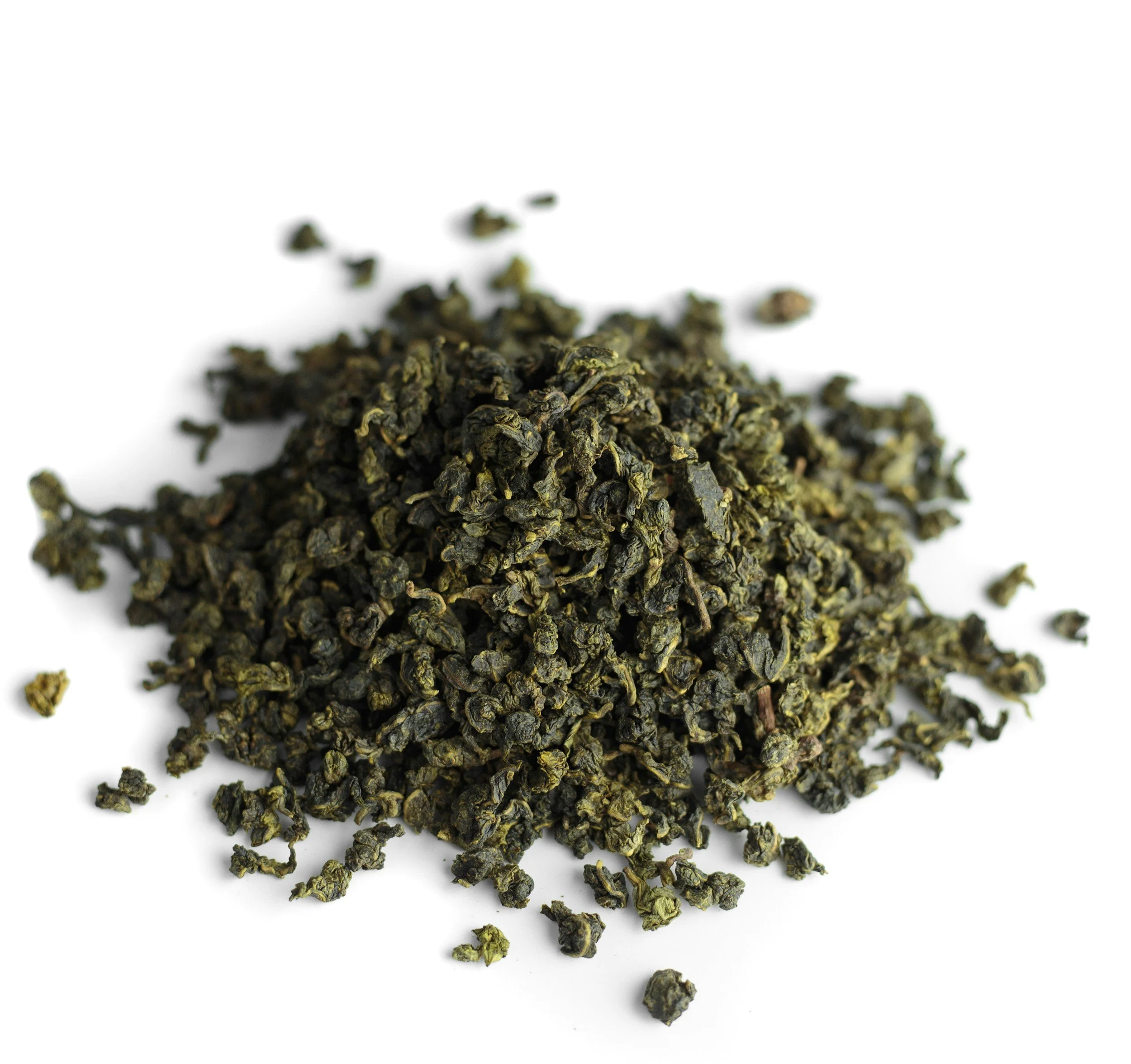
Golden Lily (aka Jin Xuan or milk oolong) is a tea cultivated to produce an aromatic quality resembling steamed milk. This aroma is enhance by actual milk, resulting a rich, buttery tea liquor.
PROCESSING:
Oolong is intentionally processed with high precision. Oolong leaves will be oxidized between 30-80% by tea masters using techniques that have been passed down for generations. These oolong leaves have been minimally oxidized (~30%)
STEEPING:
Just want a regular old hot pot of tropical goodness? Here you go:
3-4 grams (1 level Tablespoon) of tea leaves
14-16 fl oz of water ~ 185F
Steep 1: 5 min
Steep 2: water 200F for 7 min
Steep 3: water 200F for 9 min
Have you tried this oolong? Please share your experience by leaving a review!