
Our Top 3 Lilac Recipes
Culinary Beauty Meets Traditional Herbalism (With a Science-Based Lens)
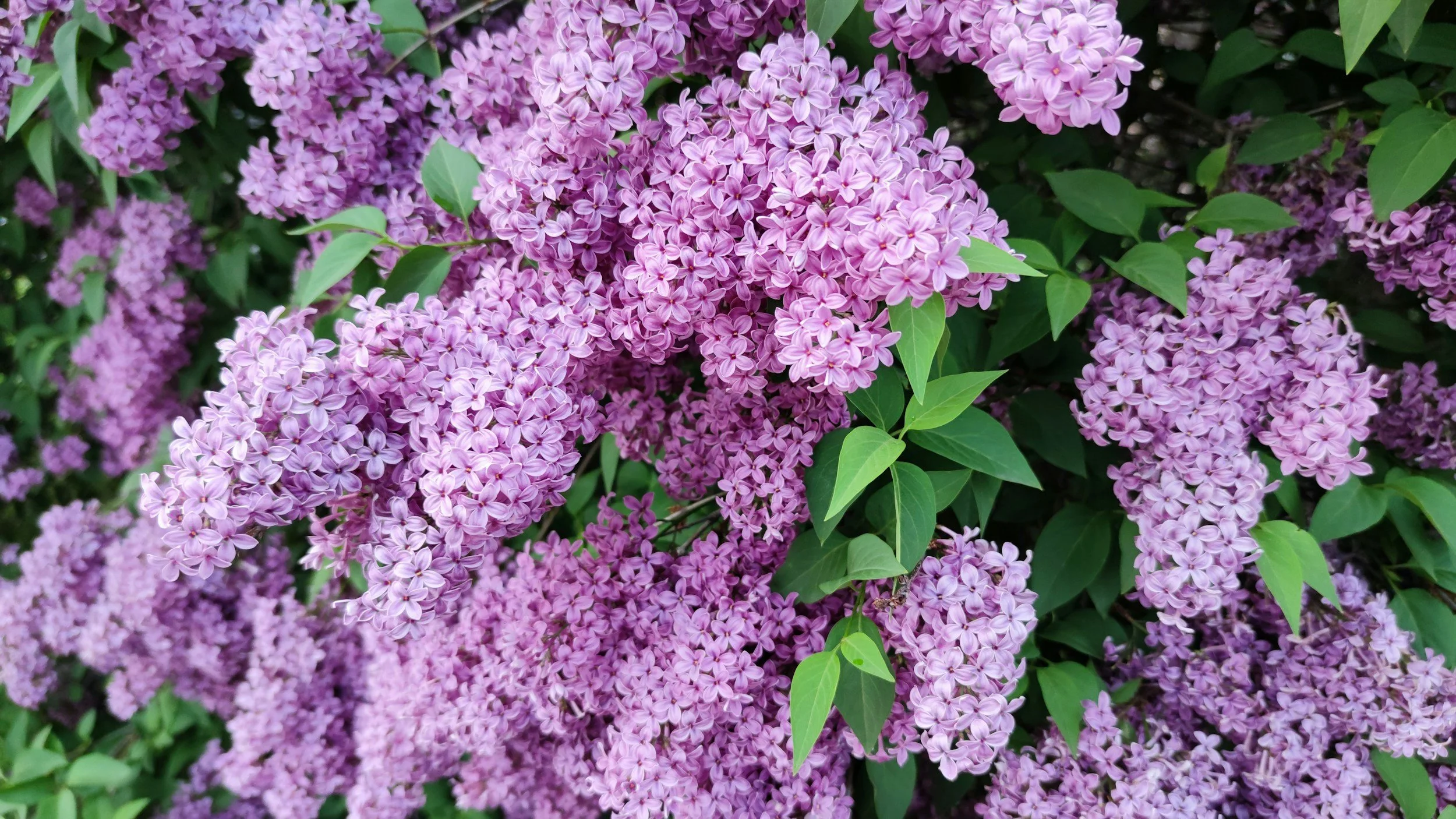
Every spring, lilacs burst into bloom with a fragrance that feels almost mythic. But beyond their beauty, common lilac flowers (genus Syringa, especially Syringa vulgaris) have been used in traditional folk medicine and can also be transformed into delicious seasonal preserves.
Lilacs contain naturally occurring polyphenols, flavonoids, and aromatic compounds, which may contribute antioxidant and anti-inflammatory activity. While modern clinical research on lilac itself is limited, studies on related plant compounds support potential wellness benefits such as oxidative stress reduction and mild calming effects. Traditional herbalists have also used lilac bark and leaves for fever, digestive upset, and topical cleansing.
Important note: Use only untreated, pesticide-free common lilac flowers. Avoid florist flowers or unidentified ornamental species.
Lilac Health Benefits: What Science Suggests
Lilac is not a miracle herb—but it does offer promising plant chemistry.
Potential Benefits of Lilac Flowers
Antioxidants: Help neutralize free radicals and oxidative stress
Mild anti-inflammatory properties: Likely due to phenolic compounds
Aromatherapy effect: Floral scent may promote relaxation and mood elevation
Digestive support (traditional use): Bitter and aromatic plants have long been used to stimulate digestion
Topical cleansing (folk use): Historically used in washes or compresses
Homeopathy
Within the homeopathic tradition, lilac is valued as a gentle botanical remedy selected according to the principle of “like supports like,” where highly diluted preparations are matched to an individual’s unique symptom picture. Practitioners of homeopathy may turn to lilac remedies for concerns involving emotional stagnation, seasonal imbalance, skin irritation, or mild constitutional support, always considering the whole person rather than a single symptom. Many people appreciate homeopathy because it uses minimal-dose preparations, is generally well tolerated when properly prepared, and emphasizes personalized care. While research on homeopathy remains debated in conventional medicine, millions worldwide continue to use it as a complementary wellness practice and report meaningful benefits.
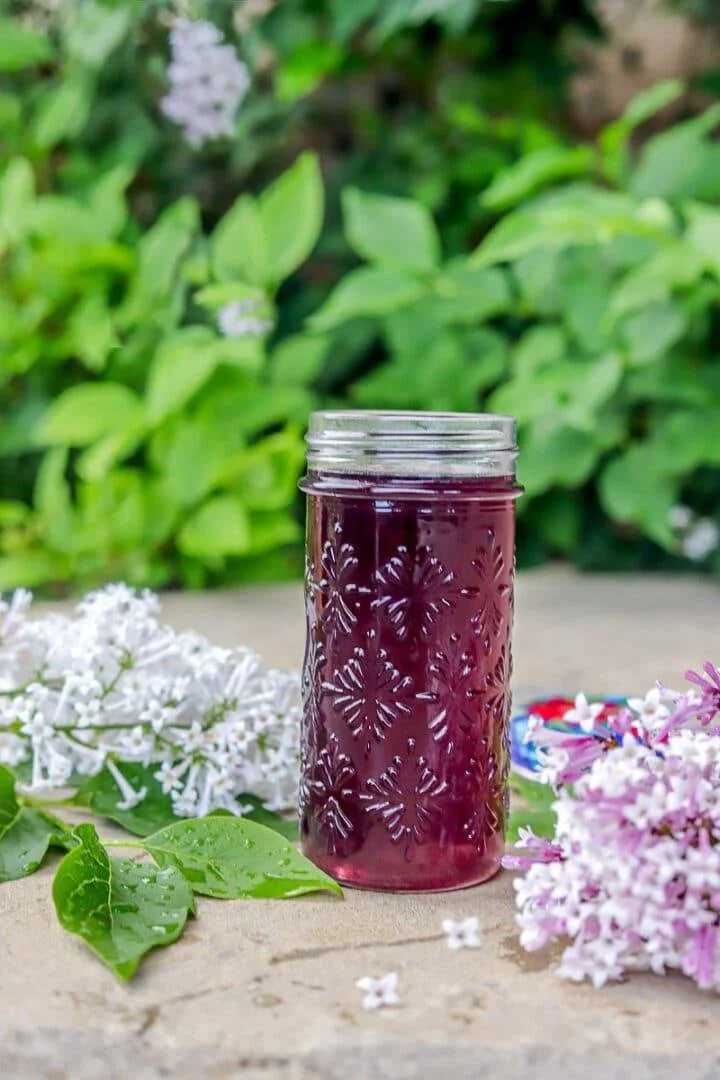
Recipe 1: Lilac Simple Syrup
A floral syrup perfect for lemonade, cocktails, sparkling water, cakes, or iced tea.
Ingredients
2 cups fresh lilac florets (green stems removed)
2 cups water
2 cups sugar
1 tablespoon lemon juice (optional, brightens flavor)
Instructions
Rinse flowers gently and remove green parts.
Bring water and sugar to a simmer until dissolved.
Remove from heat and add lilac blossoms.
Cover and steep 4–12 hours.
Strain well. Add lemon juice if desired.
Refrigerate up to 3 weeks.
Health Angle
Because this syrup is heated and sweetened, it’s primarily culinary—not medicinal. However, aromatic compounds remain and may provide a calming sensory effect.
Uses
Lilac lemonade
Lilac latte (lemon free)
Drizzle on berries
Add to champagne or mocktails using soda water
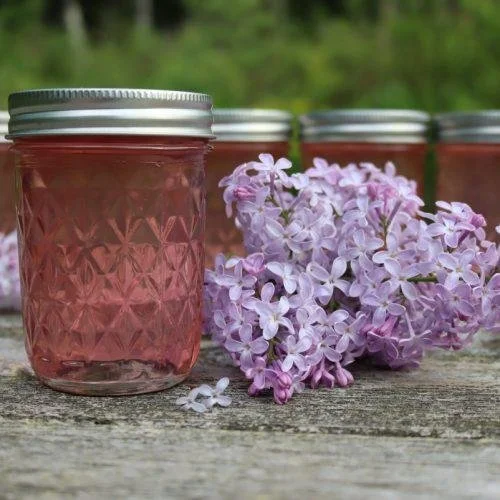
Recipe 2: Lilac Jelly
Lightly floral and elegant on toast, cheese boards, or pastries.
Ingredients
4 cups lilac blossoms
4 cups boiling water
1 box powdered pectin
4 cups sugar
2 tablespoons lemon juice
Instructions
Pour boiling water over blossoms.
Cover and steep overnight.
Strain to create lilac “tea.”
Add tea + lemon juice + pectin to pot.
Bring to rolling boil.
Add sugar and boil 1 minute.
Pour into sterilized jars.
Health Angle
Jelly contains sugar, so think of this as a joyful preserve rather than medicine. Yet the infusion may retain some antioxidant compounds.
Best Pairings
Brie or goat cheese
Croissants
Thumbprint cookies
Sourdough toast
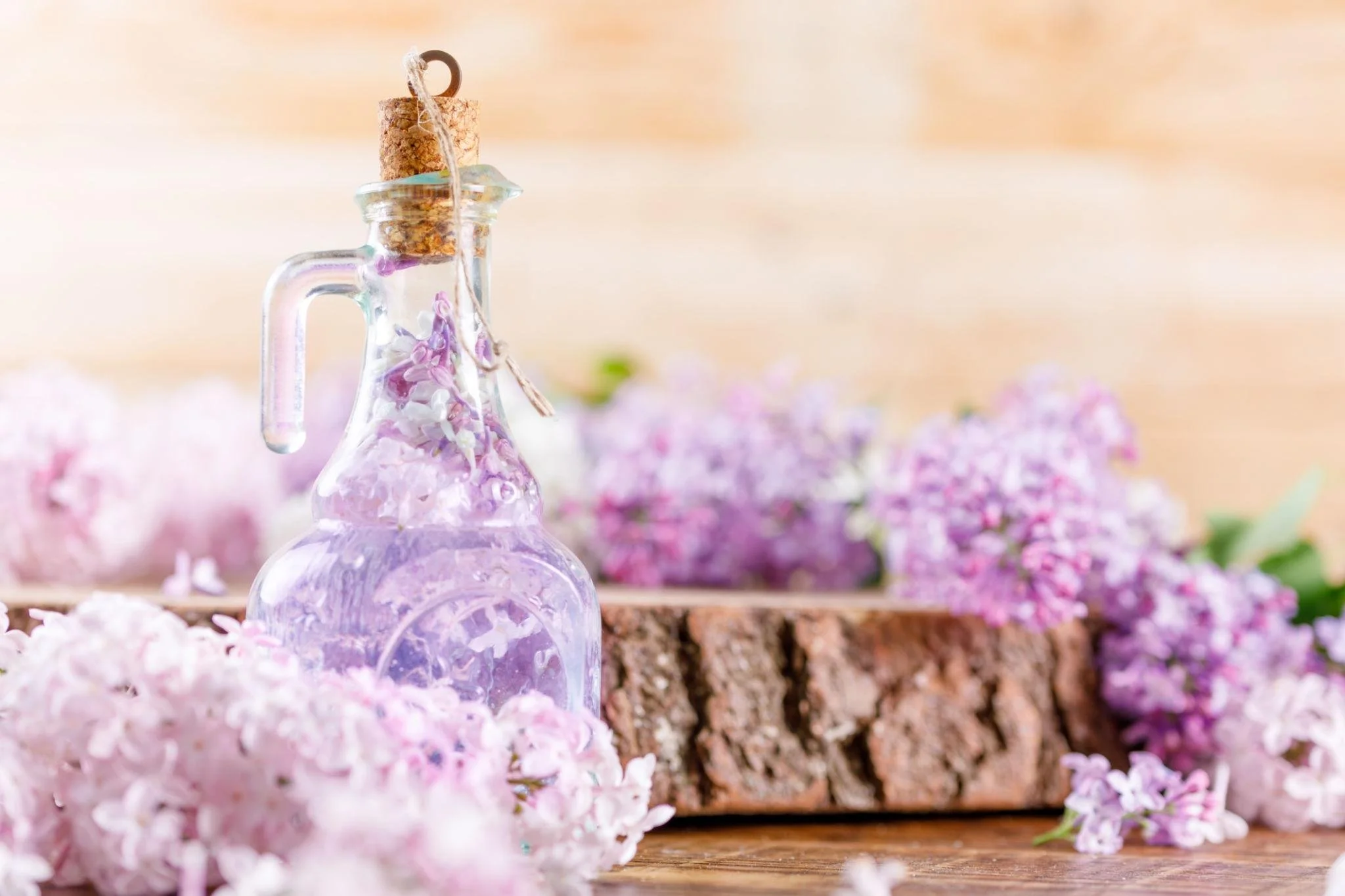
Recipe 3: Lilac Tincture
Traditional herbal extract used in folk herbalism.
Ingredients
Fresh lilac blossoms
80-proof vodka + glycerin to retain aroma
Glass jar with lid
Instructions
Fill jar loosely with fresh blossoms.
Cover completely with alcohol.
Seal and store in dark cabinet 4–6 weeks.
Shake every few days.
Strain and bottle.
Traditional Uses
Historically used in very small doses for:
Digestive discomfort
Mild fever support
Bitter tonic effects
Topical rub for joints (folk practice)
Science-Based View
Alcohol tinctures extract polyphenols and volatile compounds effectively. However, modern human trials on lilac tincture specifically are lacking, so use should be conservative and complementary—not primary treatment.
Typical Folk Dose
10–30 drops in water (not medical advice).
Final Thoughts
Lilac is one of those rare plants that bridges beauty, nostalgia, food, and herbal tradition. While it is not a heavily researched medicinal powerhouse, it offers something equally valuable: gentle antioxidant support, aromatic calm, and seasonal connection.
If you have a blooming lilac nearby, the syrup is the best place to start!
Cheers,
Amanda
3 of Cups Curator